There are seven types of plastic as specified by the Society of the Plastics Industry (SPI). Each one has a different use and some are easier to recycle than others.
Plastic Recycling Codes
PET
HDPE
PVC
LDPE
Polypropylene
Polystyrene
Other (ABS, nylon, polycarbonate, acrylic, etc.)
Polyethylene Terephthalate (PETE or PET)Recyclable: Yes
Polyethylene terephthalate (PET) is classified as type 1 plastic. This plastic is strong and tends to absorb odors.
Branded pens, water bottles, hand sanitizer, shaker bottles, and kitchenware are made from PET plastic.PET plastic is recyclable, more than 3 billion pounds of used PET containers are collected for recycling each year. Specifically in the United States and Canada, communities collected nearly 1.9 billion pounds of PET bottles and over 200 million pounds of thermoforms recently, reflecting a U.S. bottle collection rate of roughly 30%. .
High-Density Polyethylene (HDPE)Recyclable: Yes
High-density polyethylene (HDPE) is classified as type 2 plastic. This plastic is BPA-free, making it safe for food or drinks. It is also very flexible and can absorb water. Reusable water bottles, ice scrapers, and outdoor coolers are made from this type of plastic. HDPE plastic is usually recyclable. Globally, approximately 18 million metric tons of high-density polyethylene (HDPE) plastic are recovered and recycled each year. This translates to a market volume of nearly 3 million tonnes of finished, post-consumer recycled HDPE pellet regrind, processed back into consumer goods annually.
Polyvinyl Chloride (PVC)Recyclable: Sometimes
Polyvinyl chloride (PVC) is classified as type 3 plastic. This plastic is lightweight and durable, which is why it’s often used for promotional bags. You’ll also find this plastic in luggage tags, hot cold packs, rain ponchos, and keychains.Generally recycling is very low—typically under 5%. However, industrial or managed sector programs show higher recovery; for example, the U.S. and Canada recycled over 1.1 billion pounds of PVC in total in 2024, and organized frameworks like Europe’s VinylPlus recycled over 730,000 tonnes. PVC is recyclable, but call your local facility first.
Low-Density Polyethylene (LDPE)Recyclable: Sometimes
Low-density polyethylene (LDPE) is classified as type 4 plastic. This plastic does not release harmful chemicals, so it’s safe for food storage. Reusable lunch containers, bowls, plates, and lip balm tubes are made from this plastic.LDPE makes up about 20% Global and 34% Unites States, of all plastic waste, but recycling programs are evolving to better handle these products in the future. Always call your local facility first before recycling this type of plastic.
Polypropylene (PP)Recyclable: Yes
Polypropylene (PP) is classified as type 5 plastic. This strong, BPA-free plastic can withstand high or low temperatures. Many promotional items are made from polypropylene such as: frisbees, travel mugs, lanyards, tote bags, tumblers, and notebooks. reports that polypropylene in the United States sits at approximately 8%. Out of the roughly 8 million tons (or several billion pounds) of polypropylene produced or entering the waste stream annually, the vast majority is landfilled rather than recovered..
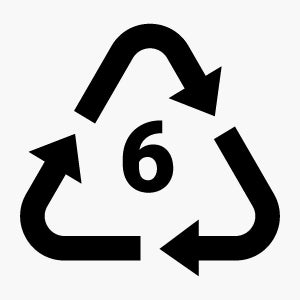
Polystyrene (PS)Recyclable: No
Polystyrene (PS) is classified as type 6 plastic. This plastic is lightweight and usually very affordable. Disposable cups,
license plate frames, and clipboards are made from this type of plastic.Styrofoam is made from this type of plastic and can be recycled, but it’s not always easy. Green Citizen reports that about 1,369 tons of Styrofoam are thrown in U.S. landfills every day!
Type 7 Plastics
Plastic in this category is made from miscellaneous plastics. Some of these plastics are recyclable and almost all are made with some trace of BPA.
ABS is used to make headphones, safety keychains, fidget toys, highlighters, and hand fans. Over 11 million tons of ABS plastic are created worldwide each year (Clean 50).
Acrylic or Polymethyl Methacrylate (PMMA)Recyclable: Yes
Acrylic is used to make stadium cups, sunglasses, ornaments, and other promotional items. This plastic is recyclable, but it does take up to 200 years to decompose (Conserve Energy Future).
Nylon or Polyamide (PA)Recyclable: Sometimes
Nylon is used to make promotional umbrellas and many apparel items like hats and jackets. Nylon can be recycled, but the process is complex and expensive. It is a thermoplastic material, meaning it can be melted down and reformed, though mixed fabric blends and contaminants make routine consumer recycling difficult. This plastic is one of the top plastic pollutants in the world, yet 8.7 million tons are produced each year
Polyurethane (PUR)Recyclable: Sometimes
Custom stress balls and other promotional items are made from polyurethane. PU foams take 20 to 30 years to naturally degrade. Polyurethane (PU or PUR) is recyclable, though it requires specialized processing and generally cannot be placed in standard curbside bins. It is recycled into new products or chemical components using mechanical and chemical methods.
Silicone or Methyl-Phenyl Silicone Rubber (PMQ)Recyclable: No
Silicone is used to make promotional bracelets and other swag giveaways. It takes silicone anywhere from 20 to 100 years to biodegrade (Conserve Energy Future). It’s difficult to recycle, so find ways to repurpose products made from this plastic whenever possible.
Other types of plastic:
1 Acrylonitrile Styrene (AS)
2 Foam
3 Polycarbonate (PC)
4 Recycled PET (RPET)
5 Vinyl
6 Acetal
The Future of Plastic
Corn and wheat plastic are becoming more popular in the promotional products industry. These compostable plastics are converted into a resin called polylactic acid (PLA), which is safer for the environment.
 PET
PET HDPE
HDPE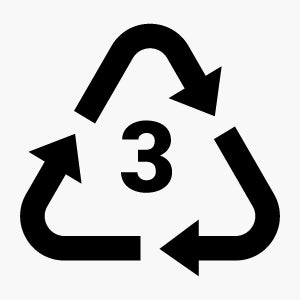 PVC
PVC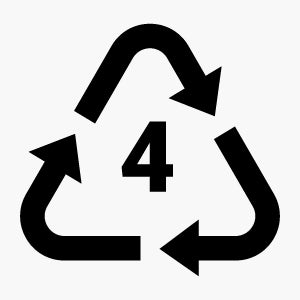 LDPE
LDPE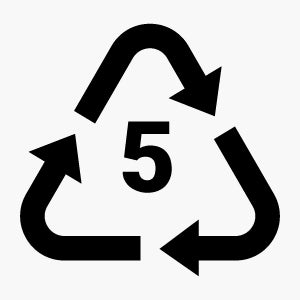 Polypropylene
 Polystyrene